VW Has Its Own Ideas For Synthetic Fuel In Future Engines
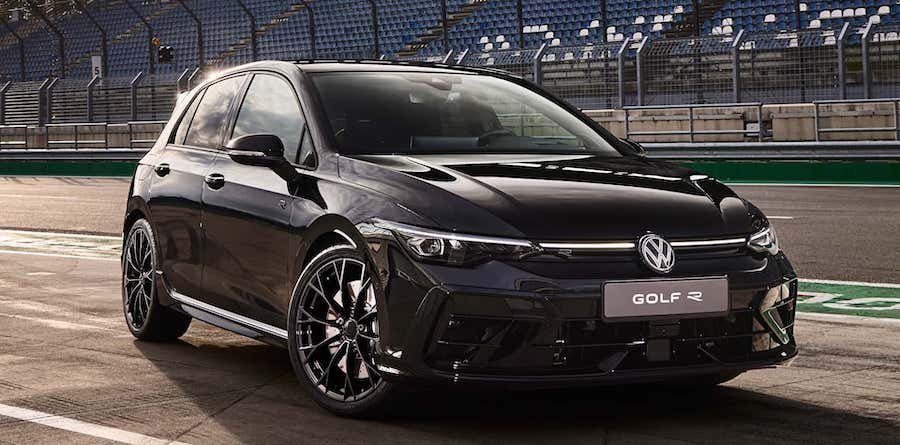
CarBuzz has just found a new patent that shows its parent company, Volkswagen Group is doing some work on eFuels of its own.
Tout conducteur titulaire d’un permis ou d’un permis international disposera de 15 points. Ceux détenant un learner auront droit à 10 points. Le compteur démarre à zéro et évolue graduellement.
Le but est de responsabiliser les chauffeurs face à des routes de plus en plus meurtrières. Le système sera également informatisé afin de limiter les risques de corruption. Mais comment les points seront-ils comptabilisés ?
À chaque manquement au code de la route, des points seront cumulés. Plus l’infraction est grave, plus la perte de points est importante.
Lorsqu’une seule infraction est constatée, l’officier de police doit inscrire dans la Fixed Penalty Notice le nombre minimal de points prévu pour cette infraction.
En revanche, si plusieurs infractions sont relevées à la même occasion, elles doivent toutes être consignées sur la Notice, mais les points retenus correspondent au minimum prévu pour l’infraction la plus grave, soit celle dont la fourchette de points est la plus élevée.
À titre d’exemple, un conducteur sanctionné pour trois infractions, un excès de vitesse de plus de 25 kilomètres par heure passible de 4 à 6 points, ainsi que le non-port de la ceinture et l’usage du téléphone au volant sanctionnés de 2 à 4 points chacun, se verra attribuer quatre points seulement, soit le minimum lié à l’infraction la plus sévèrement sanctionnée.
Enfin, si plus de trois infractions sont constatées lors d’un même contrôle, plusieurs FPN peuvent être émis. Les numéros de référence doivent alors être liés, mais les points ne sont comptabilisés qu’une seule fois, selon le même principe du minimum applicable.
EU Synthetic Fuel Rules Come With Big Catch
When the European Union announced that its 2035 combustion ban would have a loophole to allow certain low-carbon synthetic fuels, it seemed like a gift from above for petrolheads. But there was a kicker. In order to run on synthetic gas, the car had to know if it was running on synthetic gas. If someone filled it with bootleg dino juice, the car would need to know, and then turn off.
Efuel, though, was supposed to be all but identical to regular old gasoline. To work around it, Porsche patented a gas sniffer. Yes, it would use a special odor sensor that could pick up the smell of the eFuel. How does eFuel smell different from normal gas? It doesn't. A smell would need to be added, much like the scent of (but probably not as bad as) sweet lady propane.
Volkswagen's patent doesn't pass the smell check, but it will still need outside interference. It's called "Method and system for detecting the composition of a fuel" and it involves a sensor in the car that can detect a specific marker.
This Feels Like A Job For Blockchain
The patent describes first creating a digital fuel twin, a computer representation of the eFuel. That lets the sensor know what it's looking for as far as the basic composition of the fake gasoline.
It would also need a marker to be added to the fuel at some point in the supply chain. Likely some chemical not normally found in gasoline but wouldn't harm an engine, though VW suggests physical markers as well. That marker would then be checked at every point in the process. If it matched, the system would approve it, but if it didn't match up, then the computer would speak up.
The system wouldn't just look for the marker, it would also check the concentration. Like how law enforcement can spot even trace amounts of red dye if they dip your diesel tank to see if you're evading taxes.
Both solutions have one glaring problem, and that's co-operation. You can add whatever you want to the fuel for detection purposes, but unless you want to build your own network of gas stations, you need to bring every automaker on board.
If every automaker is on board, and the supply of eFuel is high, then suddenly groups will be able to "hack" the fuel. That is, make their own copies of the markers or the scent to put in regular gasoline. Assuming that the two fuels would co-exist, and that eFuels wouldn't be cheaper.
Automakers are going to great lengths to not have to go all-in on electric, though that's clearly driven at least in part by consumer demand. A frustrating compromise in legislation to make it possible means some very strange ways to work within the lines.
Nouvelles connexes


