Key Points
- BMW uses 3D printing across all brands, from prototypes to series production.
- 3D printing enables faster development, customization, and easier after-sales parts production.
- BMW is expanding capabilities to print larger metal components, reducing costs and lead times.
3D printing, or more accurately, additive manufacturing, is more than just a fad, and the automotive industry is providing more and more examples of this. The most obvious is Czinger, whose 21C hypercar has over 350 metal 3D-printed components, followed by the McLaren W1 and Bugatti Tourbillon hypercars, all of which use Divergent’s 3D printing expertise in their innovative suspension components. But the realm of hypercars is not the only one in which the technology is being used. In fact, BMW has been working with additive manufacturing since 1990, and it says that additive manufacturing components “are now used in series production vehicles across all BMW Group brands.” That means Mini, BMW, Rolls-Royce, and even BMW Motorrad motorcycles benefit, and the BMW Group has plans for additive manufacturing to be used even more extensively.
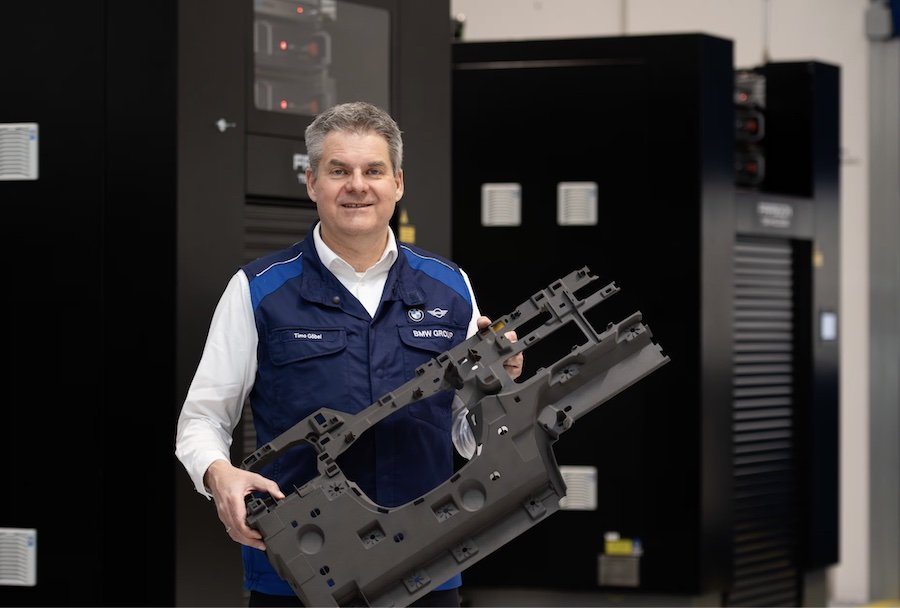
Timo Göbel, the BMW Group’s head of additive manufacturing, says that this production process “is now fully integrated across all phases of the product life cycle,” from start to finish. “3D-printed components are used from early development and prototype production all the way to series production and to support the global production network.” This makes it much easier to develop, produce, test, and integrate new components, shortening development cycles for new vehicles, something BMW has taken advantage of with the Neue Klasse vehicles. Göbel adds, “3D-printed components were also used in the development of the latest generation of electric drive technology.”
Use of this method is applied in every BMW Group production plant worldwide, and BMW sees particular benefits for specially customized and limited-edition vehicles. It’s also helpful for the production of after-sales parts, providing easy access to upgrades or repair parts for customers without the need to carry massive amounts of inventory on hand or keep the customer waiting several weeks for a part to be manufactured. There’s still room for growth, however.
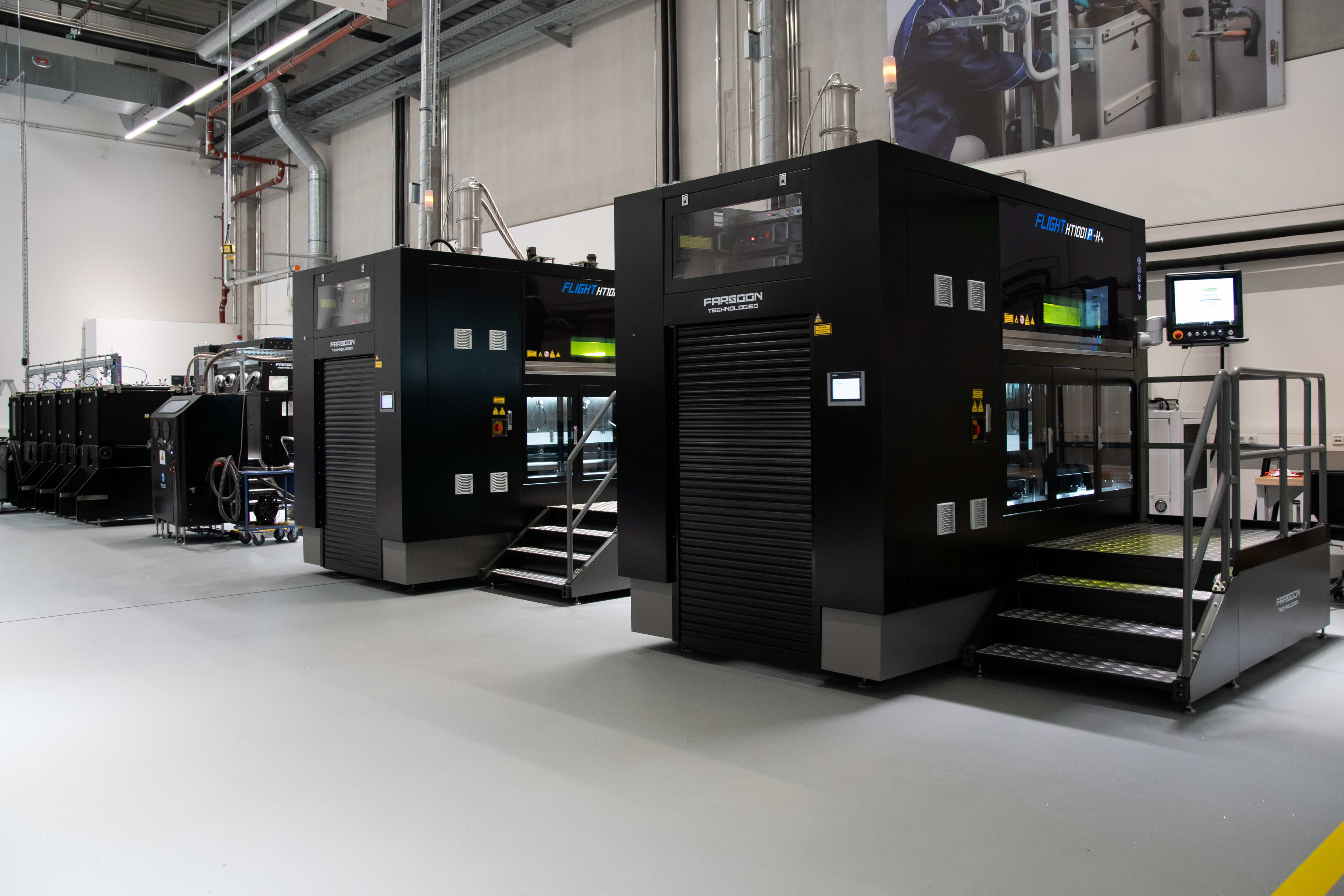
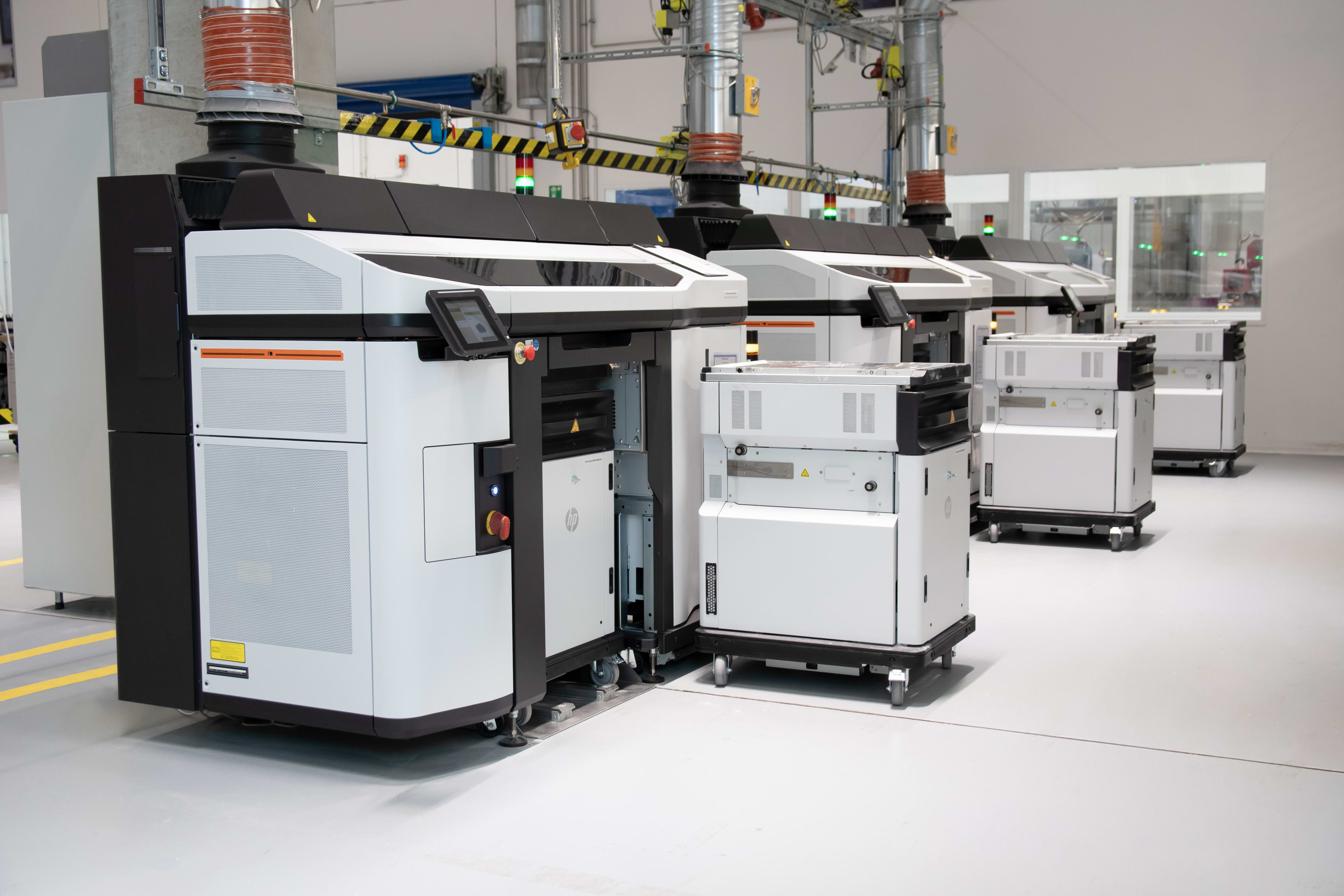
Göbel proudly notes that BMW was actively involved in IDAM (Industrialization and Digitization of Additive Manufacturing) and Polyline (using polymers to create new products). Where possible, the automaker uses series-ready systems to produce polymers, and where these systems are not yet available, it sources custom-designed equipment. BMW also 3D-prints metal components, and it’s expanding with “an entirely new generation of metal 3D printers, followed by the integration of […] Wire Arc Additive Manufacturing,” which will allow the automaker to 3D print much larger metal components.
This is tech commonly used in aerospace, oil & gas, and maritime industries, and as BMW’s expertise in the field grows, it will be able to produce larger single-piece components with shorter lead times. WAAM will be especially valuable for in-house crash tests, which previously required prototype tooling to produce new components, and when a component failed in these tests, BMW would have to start again from scratch. In a massive factory, that’s particularly challenging, but now, a quick rethink of specifications can be realized and produced in a matter of hours, allowing testing to take place sooner. That saves vast amounts of money and time.
Cody Carlson
In summary, BMW’s expansion into the field of additive manufacturing will mean it can produce more components and even entire vehicles with less cost, shorter lead times, and more levels of customization, with less reliance on third-party suppliers. Given the volatility of the global auto industry, this flexibility will be invaluable.
Nouvelles connexes


