Thousands of luxury cars stranded on Kenya’s Lamu Island
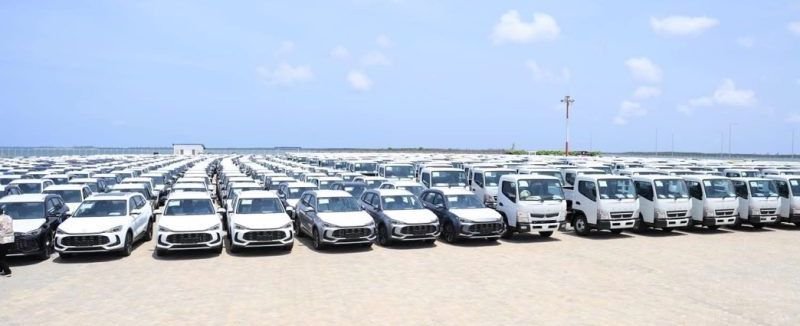
Over 4,000 vehicles, including high-end Porsche models shipped from Japan, were offloaded after key shipping routes through the Strait of Hormuz were affected and operations at Jebel Ali Port were disrupted by air strikes.
Authorities say the vehicles will remain in Lamu until conditions stabilize. Meanwhile, the port is preparing for increased activity, with another shipment of about 5,000 cars expected soon.
The crisis began in late February 2026, when vessels like Italy’s Grimaldi Group carrier, the MV Grande Florida Palermo, departed Yokohama, Japan, carrying thousands of vehicles intended for Jebel Ali Port in the United Arab Emirates. However, as the vessels approached the region, the effective blockade of the Strait of Hormuz by Iran’s Revolutionary Guard Corps which saw traffic plunge by up to 90 per cent rendered the final leg of the journey impossible. Following direct strikes on Dubai’s Jebel Ali hub that caused significant operational halts, major shipping lines were forced to either drift at sea or seek immediate sanctuary at alternative deep-water ports. Lamu, with its modern infrastructure and strategic Indian Ocean positioning, became the improvised destination for this stranded multi-million-pound cargo.
The contrast between the serene, historic atmosphere of Lamu and the high-tech machinery now occupying its ports offers a unique perspective on the interconnectedness of 21st-century commerce. As these vehicles wait for Gulf routes to stabilise, the situation underscores the urgent need for African nations to diversify their shipping dependencies and strengthen domestic hubs. This luxury car showroom on a tropical island is more than just a human-interest story; it is a signal that the era of predictable, low-cost global trade may be facing its most significant challenge yet, forcing a total rethink of how mobility is secured across the continent.
A Car-Free Island
The paradox of the situation is that Lamu is effectively a car-free island. Its area is approximately 57 square kilometers, and cars are almost completely prohibited here.
The only exception is official vehicles. Only government and emergency vehicles—ambulances, fire departments, and police—are visible here.
Boats and donkeys remain the main means of transportation, and they still play a key role in transporting goods and passengers.
Nouvelles connexes


