Toyota Is Installing 400,000 Robots, But Humans Still Matter
Toyota has told investors that modernizing factories across its own operations, group companies and major suppliers could require about 400,000 robots and roughly 1 trillion yen ($6.4 billion) a year from 2028. The company has not committed to that level of spending.
The estimate surfaced at a technology briefing for investors at Toyota Motor Europe’s headquarters in Brussels, where executives walked through the automation plan and demonstrated their in-house humanoid robot platform. Trade coverage based on Toyota’s explanation splits the 400,000-robot figure into roughly 150,000 units at Toyota Group plants and about 250,000 at supplier and partner sites.
What Toyota’s 400,000-Robot Estimate Really Covers
According to Nikkei Asia, the 400,000-robot estimate covers both humanoid and non-humanoid machines, including replacements for aging equipment alongside brand-new installations. It is an internal projection, and Toyota has not detailed how long any eventual program would run.
Toyota would time any large-scale robot installations to match renovation and rebuild schedules at plants worldwide. That approach fits a company that has spent recent years trimming complexity in other ways, including its push to cut costs by reducing the number of parts across its lineup.
The scope also lines up with Toyota's broader manufacturing footprint in the US, where the automaker has been expanding hybrid production investment at its American plants. More automated capacity at home could eventually free up domestic lines for higher-complexity or lower-volume work.
For buyers and fleet managers, the short-term effect is more about consistency than price. Toyota already depends on automation and tight quality control to protect its reliability edge over Chinese rivals, and executives pitch the new estimate as another way to keep that reputation intact.
Humanoid ELEY, Takumi Skills, And Factory Roles
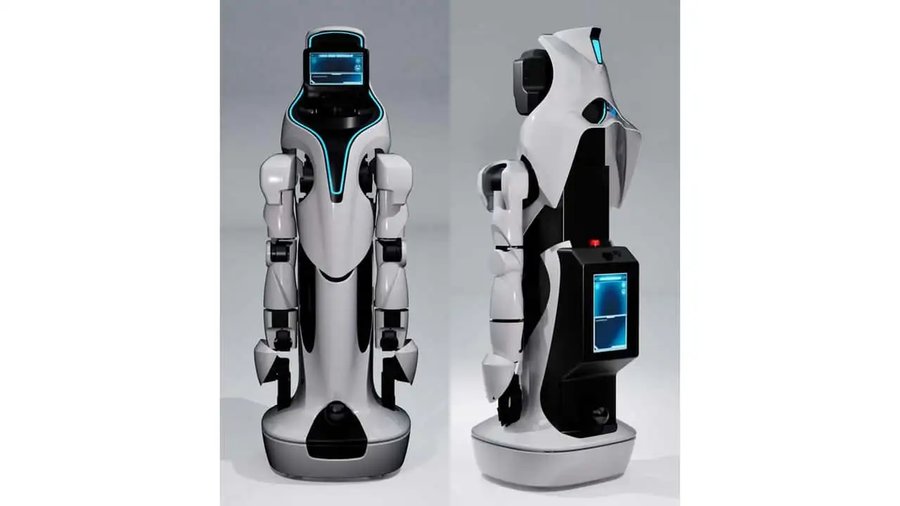
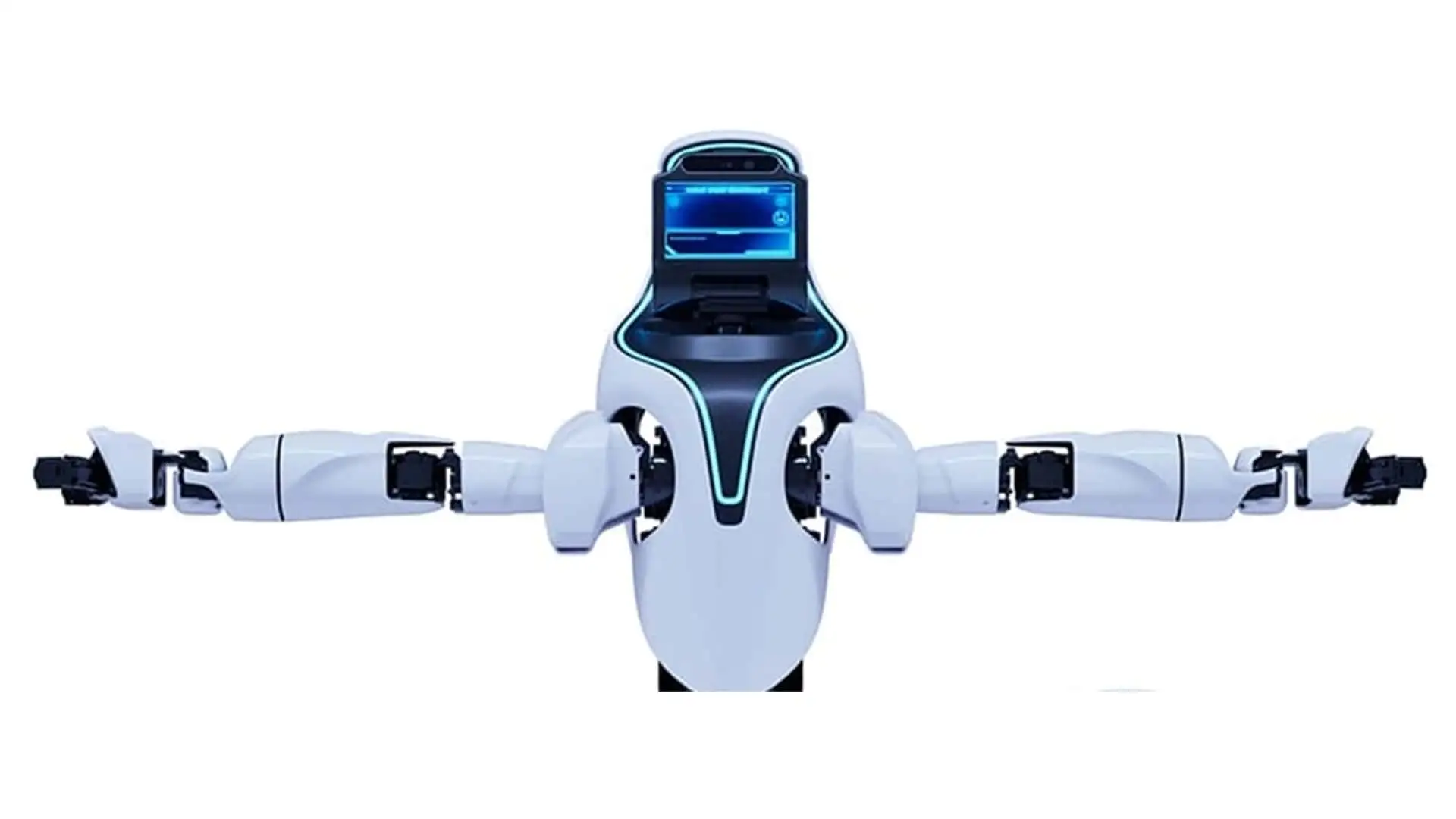
Humanoid robots are one piece of the story. Toyota Research Institute’s wheeled humanoid platform, called ELEY (Embodied Learning robot for Enhanced Yield), uses Large Behavior Models to learn tasks from a small number of human demonstrations, including work based on takumi skills.
The broader estimate, though, spans everything from humanoids like ELEY to more conventional industrial and material-handling robots. Toyota presents them as future partners for veteran line workers the company calls takumi, master craftspeople whose judgment took decades to build.
That stance runs through Toyota's comments to investors. Executives stressed coexistence, with robots handling repetitive or physically demanding tasks while people stay on judgment calls that still need a trained eye.
It also fits Toyota's discomfort with runaway complexity. The automaker has said in the past that it builds too many models for its own production system to handle efficiently, and robots could let a single line switch between more variants without slowing down changeovers.
Nouvelles connexes


