Mansory Just Turned a Mercedes G63 Into an Arabian Supercar on Steroids
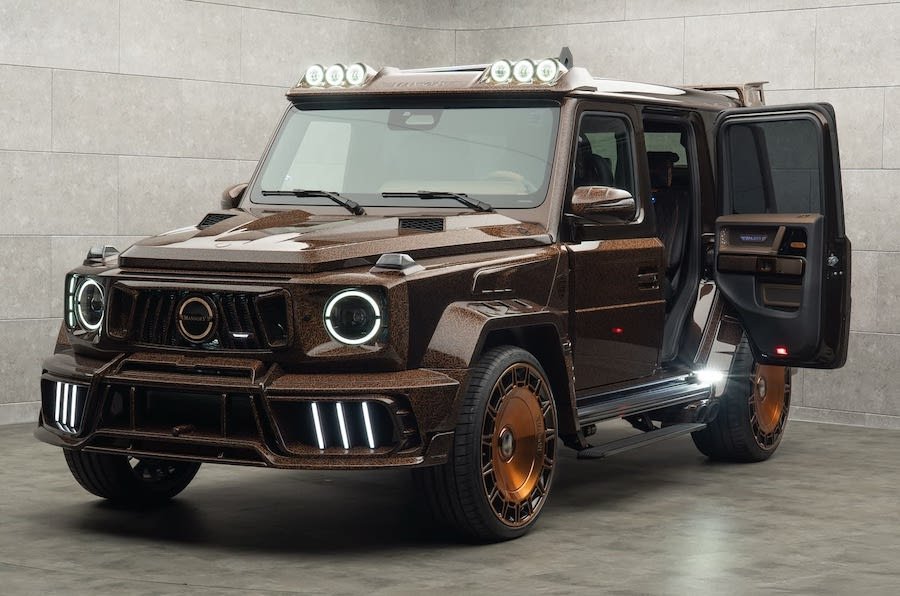
Mansory is renowned for its eccentric and imaginative modifications, with some creations being truly mind-boggling, while others leave you questioning their purpose. Catering to clients whose wealth surpasses that of some countries’ GDPs, Mansory has crafted a unique luxury SUV based on the Mercedes-AMG G63, known as the Mansory P820 Linea D’Arabo. This remarkable vehicle is capable of tackling dune bashing during the day and can outpace sports cars on some of the fastest highways in the world. Strap in, thrill-seekers and royalty alike, as the one-of-a-kind P820 Linea D’Arabo combines the brute force reminiscent of the Mad Max era with the elegance of Arabian Nights.
Custom work meets Arabian couture
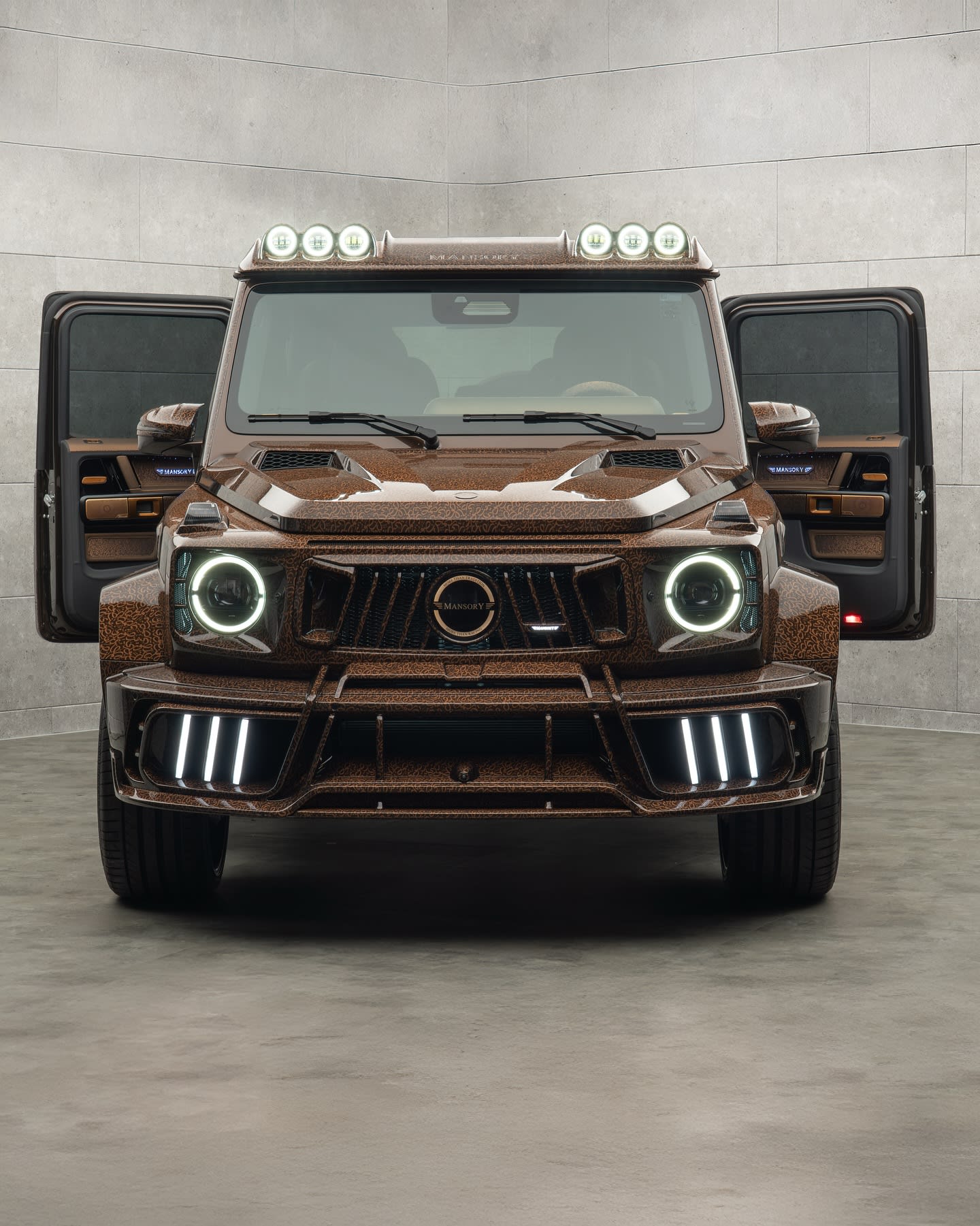
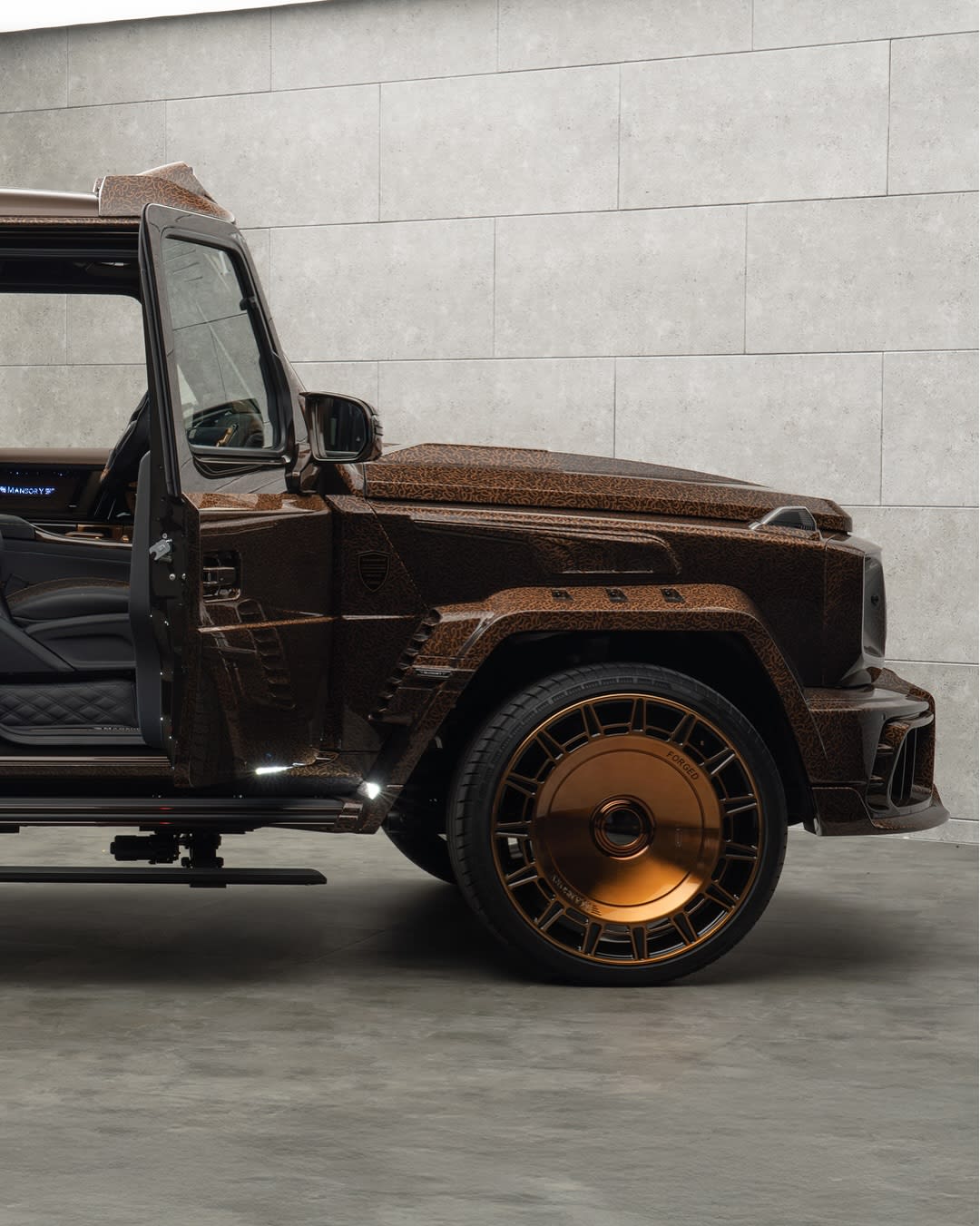
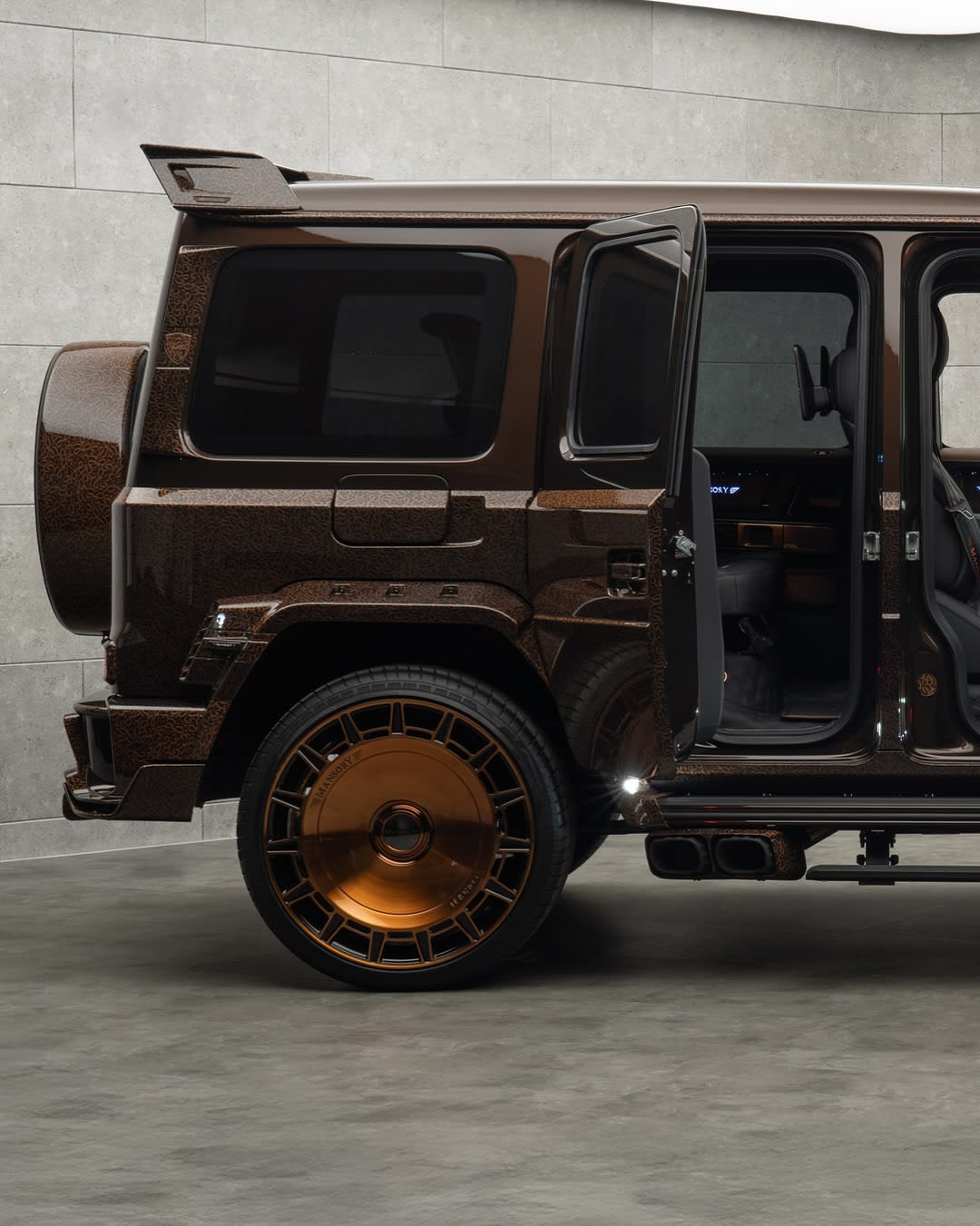
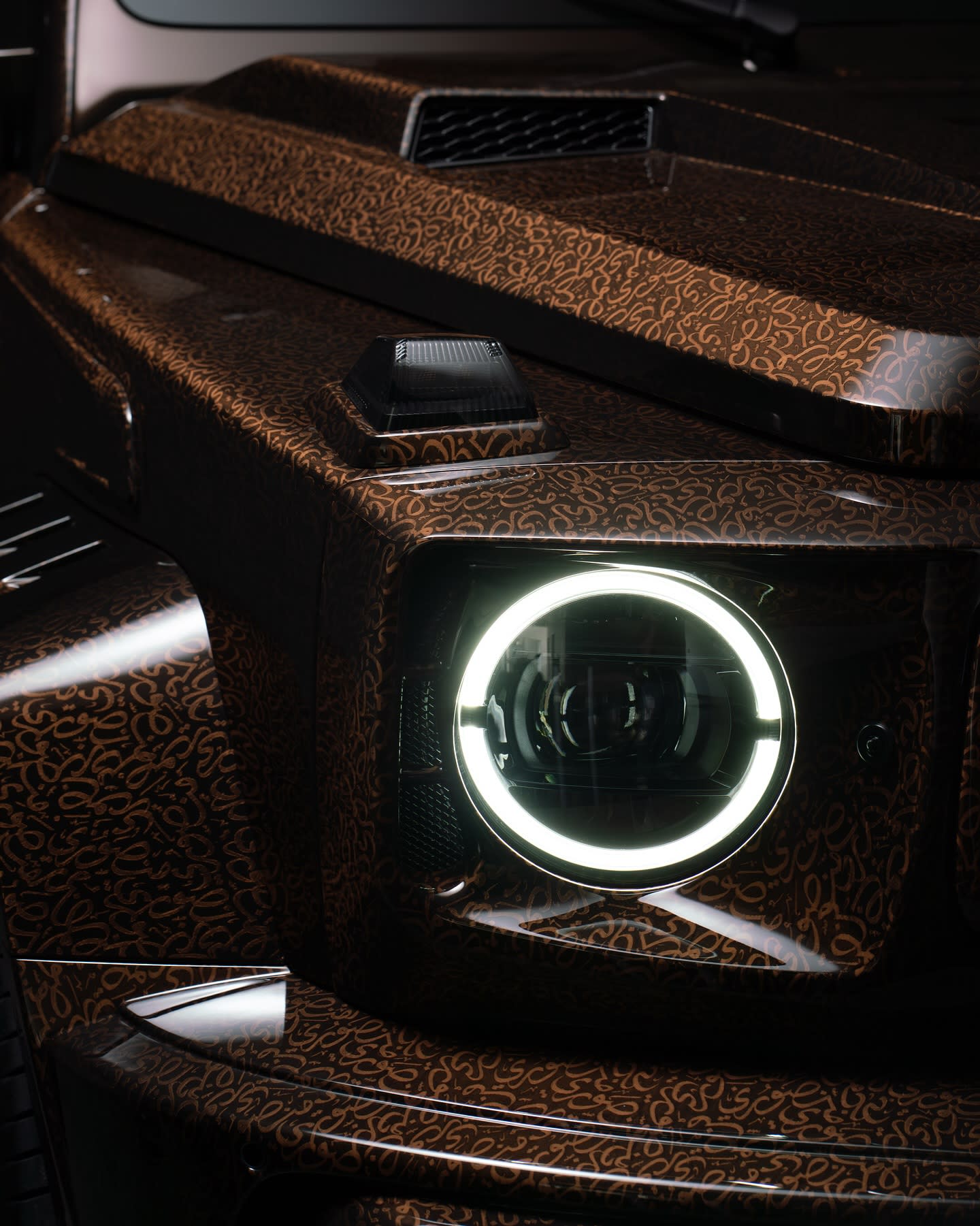
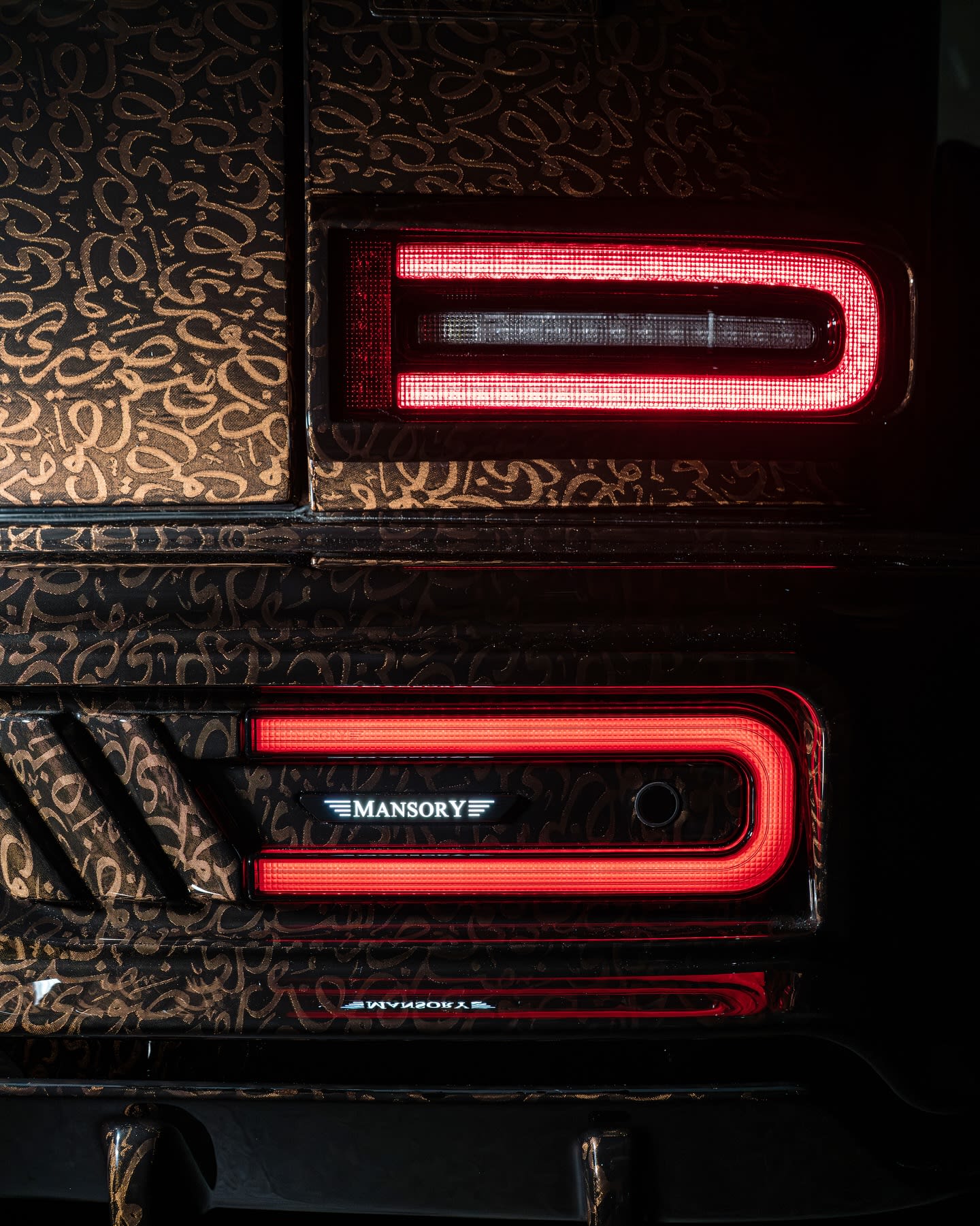
One glance at the P820 Linea D’Arabo and its carbon fiber wrapping of the hood, fenders, and wide-body kit, and you know it can only be a monster SUV from Mansory. Sporting a unique dark brown matte finish that captures the desert sands’ color in the twilight, with Arabic calligraphy forged in copper across the carbon-fiber body.
The P820 Linea D’Arabo struts onto the scene with a jaw-dropping, muscular body kit, its ferocious front grille flashing angular slats that mirror the daytime LED lamps from widened air intakes. Think those six roof-mounted spotlights, blazing like desert suns, or the colossal 24-inch bronze-finish forged rims steal the show? Hold tight, this beast roars louder with suicide doors swinging wide like a Rolls-Royce, dripping with untamed swagger. Retractable side steps glide out with panache, extended wheel arches flex their might, and a towering rear wing slices the sky. The redesigned diffuser, studded with extra taillights, snarls defiance, while a bespoke spare tire cover seals the deal with bold flair.
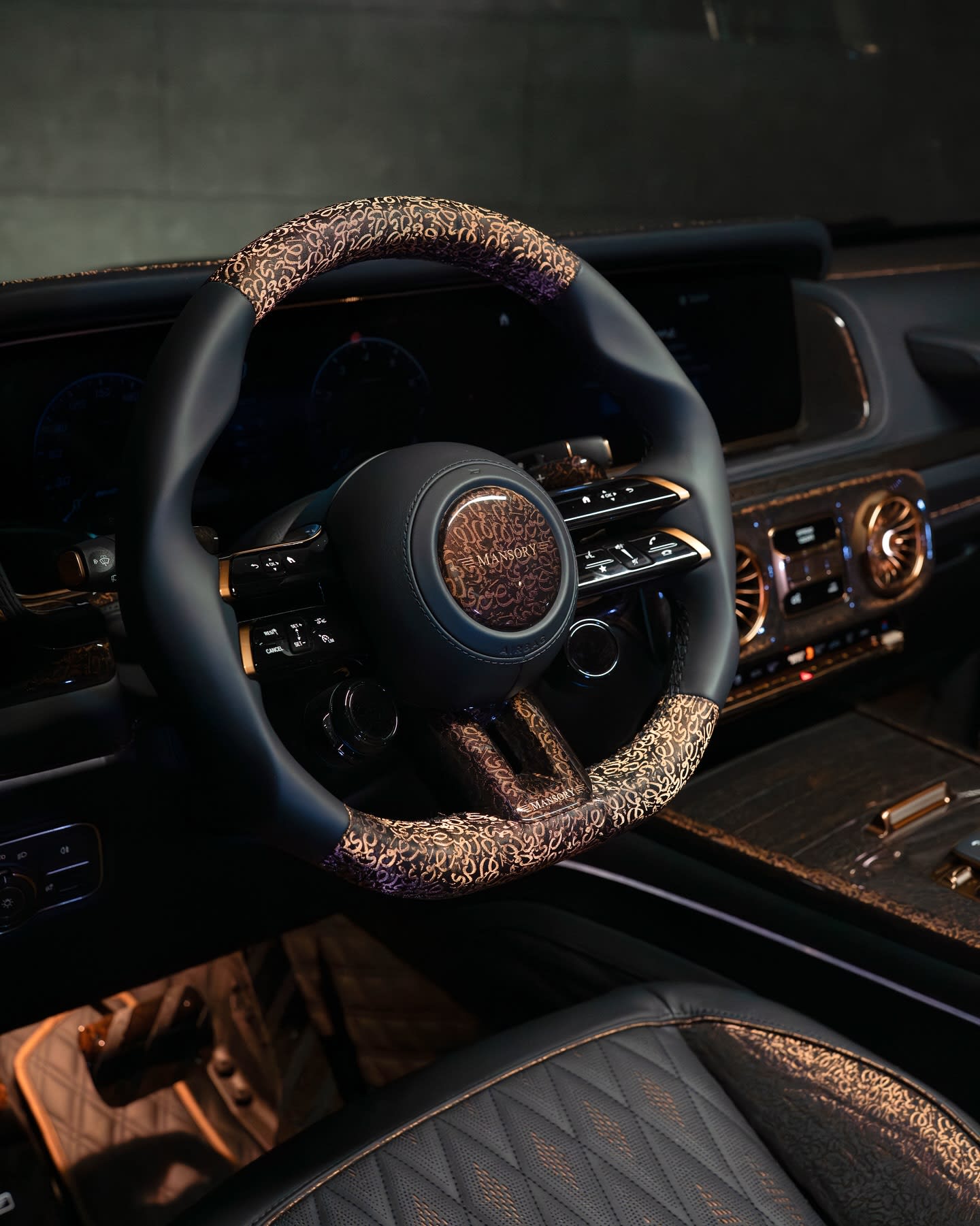
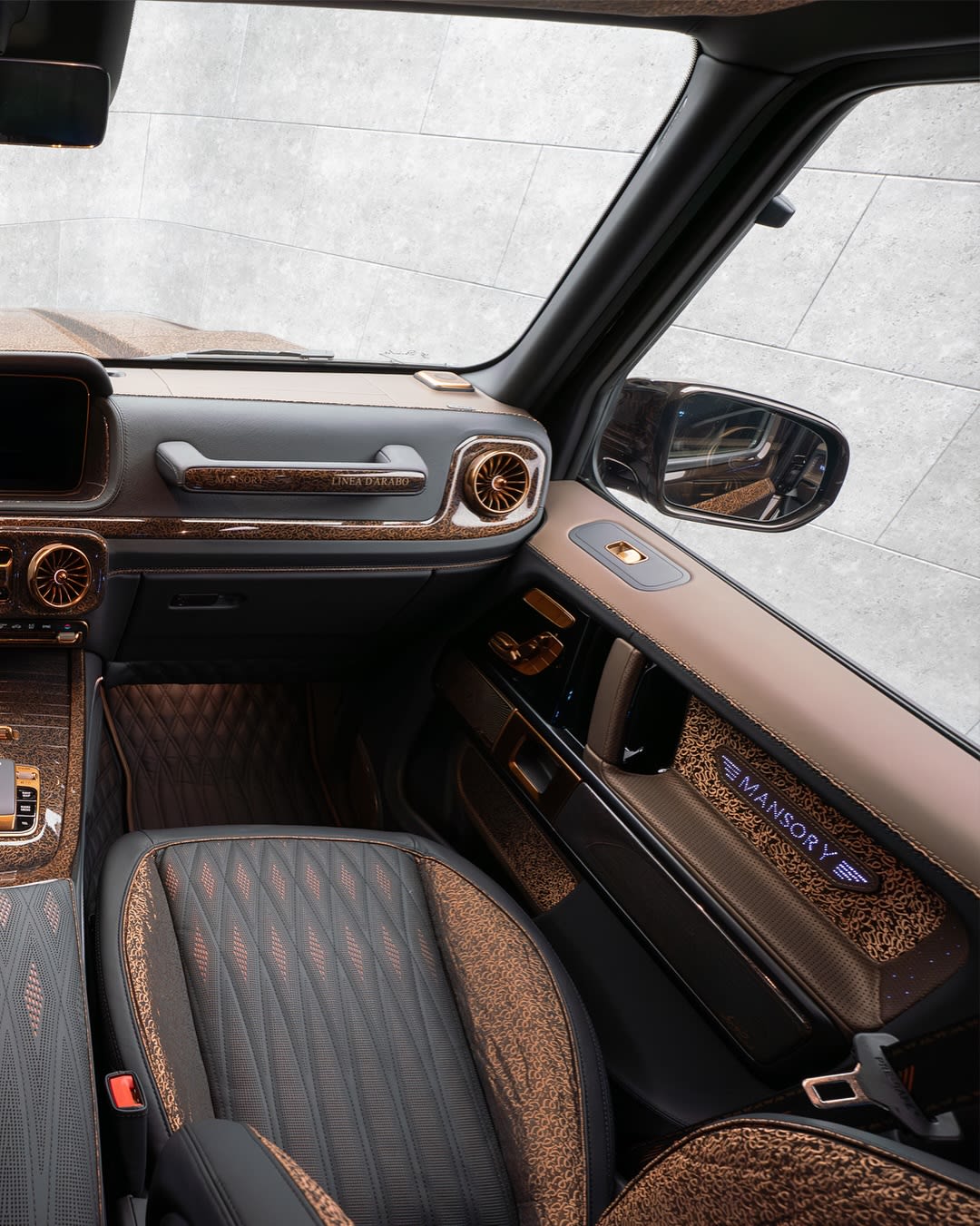
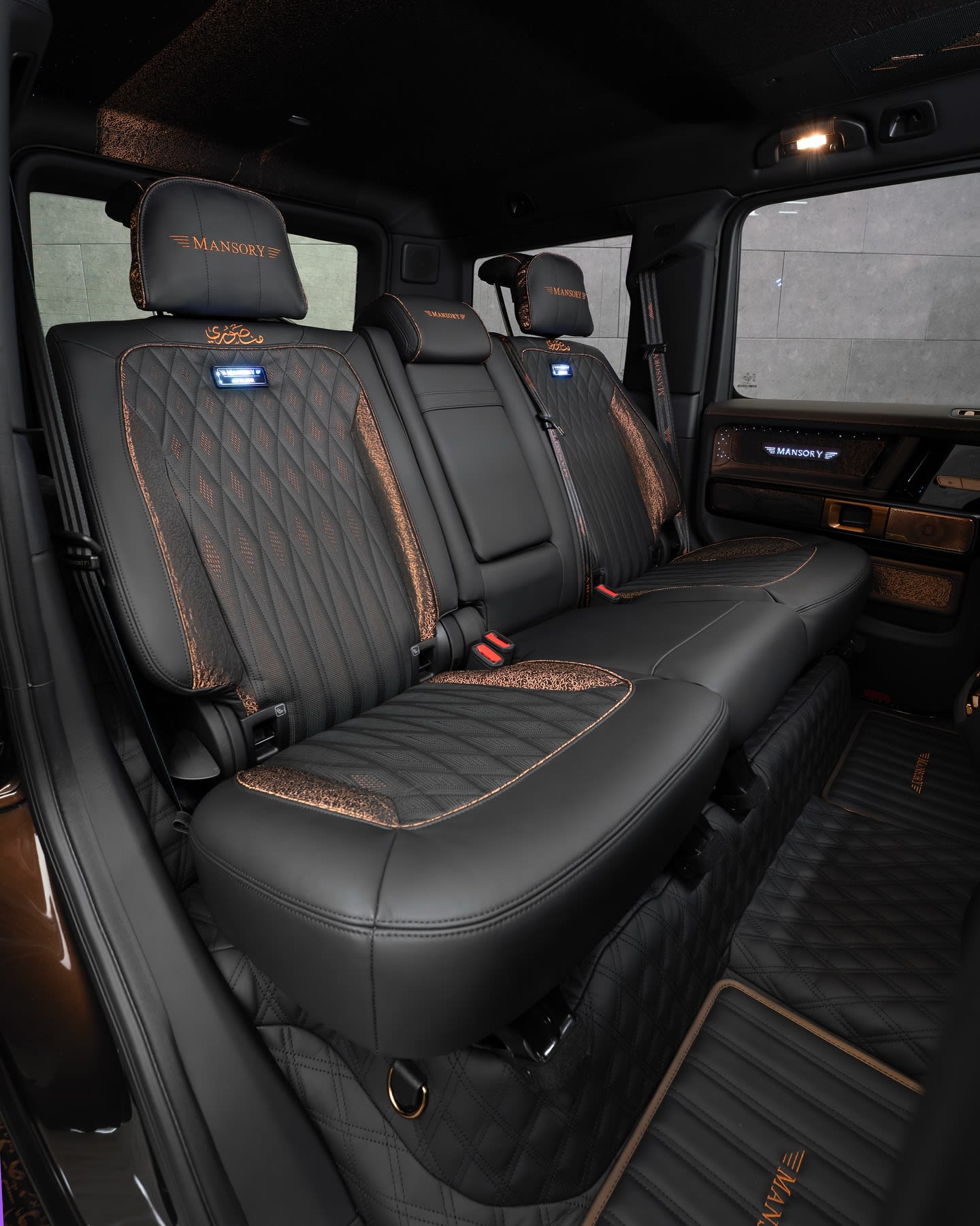
Inside, Mansory weaves magic with copper filigree accents dancing across a sleek black cabin. Black leather cloaks the seats and center console, exuding power, while rich brown leather on the doors and dashboard adds a sultry contrast.
Tuned for blistering pace
Mansory has catapulted the G63’s 4.0-liter twin-turbo V8 into a pulse-pounding powerhouse. Forget the stock 577 horsepower and 627 lb-ft of torque, Mansory cranks it up to a savage 820 horsepower and a monstrous 738 lb-ft of torque by supercharging the turbos to an extreme level. This beast roars through a high-flow sport air filter, blasts out thunderous notes via a flap-controlled sports exhaust, and glides on an adjustable air suspension that delivers both aggression and control. It’s not just tuned; Mansory has transformed it into a fierce machine ready to dominate the road with thrilling performance and unmistakable presence.
Range anxiety is still a very real thing
Despite the federal government’s $7,500 purchase tax incentive expiring at the end of September 2025, electric vehicles are gaining major traction among American drivers due to some of the benefits they offer over a traditional gas-powered vehicle. However, some barriers, such as price parity and the robustness of public EV charging infrastructure, still prevent some from adopting the plug.
If there’s one phrase that has haunted the rise of electric cars, it’s “range anxiety,” a real fear where drivers worry about running out of juice before finding the next charger. This idea has become so prevalent that many skeptics are still left clinging to the gas pump instead of plugging in.
According to a June 2025 survey published by the American Automobile Association (AAA, or ‘triple-A’), 57% of drivers surveyed said their “perceived unsuitability of EVs for long-distance travel” prevented them from adopting an EV, 56% cited “a lack of convenient public charging stations,” and 55% said they had a “fear of running out of charge while driving.” Despite these real fears, a team of Mercedes-Benz’s EV-savvy engineers may have dealt it a one-two punch.
749 miles, with more juice left in the “tank”
Today’s EVs are capable of long ranges. For instance, the 2025 Lucid Air Grand Touring has an advertised EPA-estimated range of 512 miles, whereas the 2025 Rivian R1S has an advertised EPA-estimated range of 410 miles under optimal conditions and in the right configuration. It’s impressive, but drivers still drive with the next charging stop in mind.
However, Mercedes-Benz engineers sought to change that. At the end of August, a team of engineers drove a prototype EQS sedan fitted with a special lithium-metal solid-state battery 1,205 kilometers (749 miles) across Europe. They traveled from Mercedes’s home in Stuttgart, Germany, through Denmark, and into Malmö, Sweden, all on a single charge, meaning there were no charging stops. To top it off, the car still had 137 km (85 miles) left in the “tank.”
According to Mercedes, their route was not a controlled environment or closed corridor, as they mentioned that the test cars went on highways A7 and E20 through Germany and Denmark to Malmö, Sweden. The engineers stated that this optimal route, which did not use ferries, was made using Electric Intelligence. This built-in Mercedes navigation technology factors in topography, traffic, ambient temperature, and energy needs for heating and cooling for maximum range.
The solid-state advantage
The secret behind this feat is the experimental solid-state battery technology used in the EV, which proves to be extremely energy-efficient and safe. Unlike traditional lithium-ion batteries that use liquid electrolytes, solid-state batteries utilize solid electrolytes, which allows for greater energy density and a lighter overall weight.
Developed in close collaboration with its Formula 1 arm, Mercedes-AMG High Performance Powertrains (HPP), and Factorial Energy, Mercedes has developed a battery that offers 25% more usable energy without increasing in size, an improvement for drivers looking for better range without added bulk.
To manage the changes in volume that happen during charging and discharging, Mercedes has incorporated pneumatic actuators into the battery design to keep everything together. These actuators help maintain stability and optimal contact pressure, ensuring the battery operates smoothly. Based on technology developed by Factorial Energy, the lithium-metal cells enhance efficiency, while passive airflow cooling helps keep everything running well. This setup gives Mercedes a competitive edge by providing a more powerful and efficient battery without sacrificing size.
“The solid-state battery is a true game-changer for electric mobility. Mercedes Chief Technology Officer Markus Schäfer said in a statement. With the successful long-distance drive of the EQS, we show that this technology delivers not only in the lab but also on the road.”
Final thoughts
Despite all this progress and new electric vehicles on the showroom floor, don’t expect to see this type of technology in any new Mercedes EVs anytime soon. Per Schäfer, the team’s goal is to bring “innovations like this into series production by the end of the decade and offer our customers a new level of range and comfort.”
Still, this milestone proves that EVs don’t have to be defined by charging. For years, the EV conversation has been obsessed with range and infrastructure. Recently, new federal guidance gave gas stations a leg up in bolstering and expanding the EV charging grid with more chargers. However, Mercedes’s record-setting run doesn’t just showcase engineering; it also shows that some automakers have the potential to revolutionize electric driving.
Related News


