Nissan, Toyota Warn Japanese Buyers About 'Quality' Of US-Made Cars
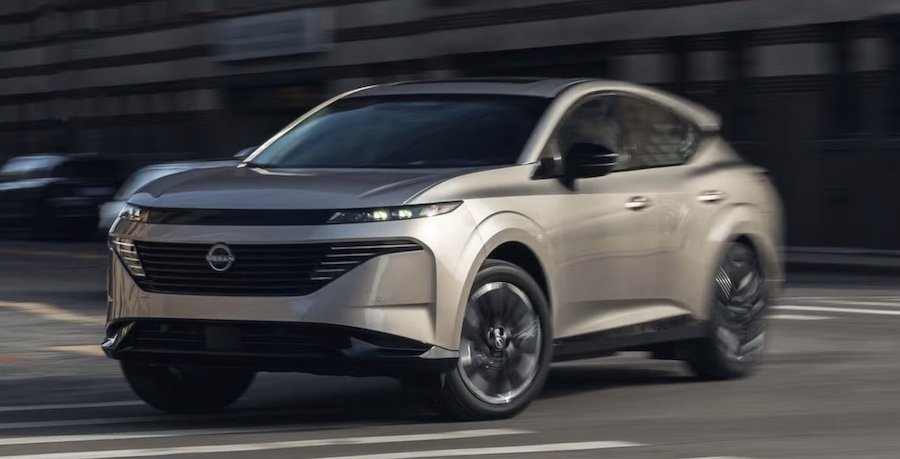
Both automakers have issued warnings to their home market customers about the new models, but the warnings aren't just about buttons and features that might be unfamiliar.
Apparently, there are concerns that US-built vehicles don't have the same quality standards as those built in Japan. And while neither brand says the quality is worse, it kinda comes across that way.
Car Companies Warn Quality Standards 'Differ'
These aren't hidden warnings somewhere deep in the fine print. Both Nissan and Toyota are very up front about the differences. Click on Nissan's page for the Murano, and an explanation of the system that allows the vehicles in the country without meeting typical Japanese specs is front and center.
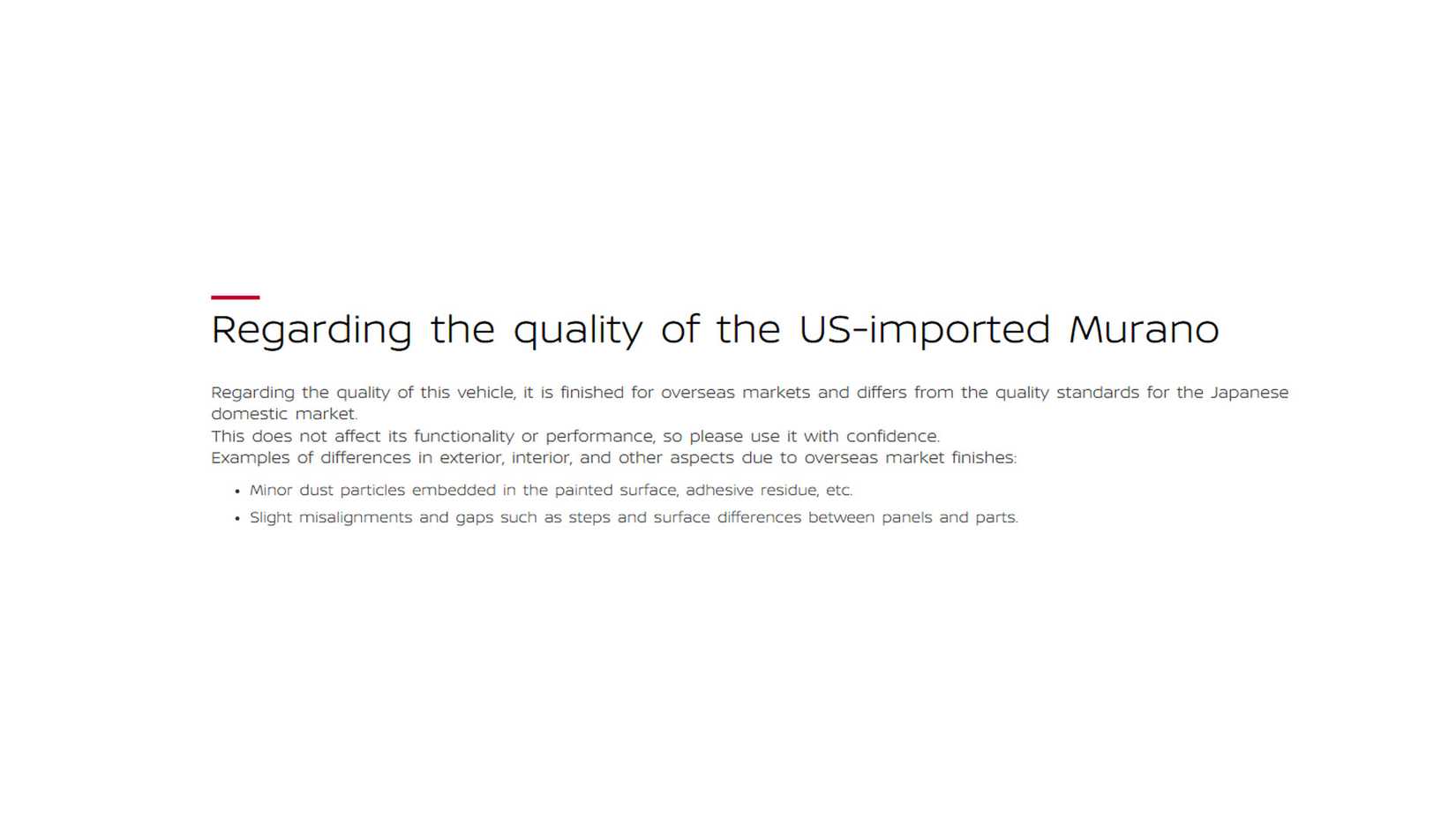
First spotted by Drive Australia, the translated statement is titled "regarding the quality of the US-imported Murano." Under that heading, Nissan says that "it is finished for overseas markets and differs from the quality standards for the Japanese domestic market."
What can you expect? It describes "slight misalignments and gaps such as steps and surface differences between panels," and "minor dust particles embedded in the painted surface, adhesive residue, etc."
You might be tempted to take a cheap shot at Nissan, or chalk it up to Nissan taking a cheap shot at US manufacturing. But Toyota's information for the Tundra is almost identical. "The paint finish of this product is designed for overseas markets. You may notice the following conditions, but these do not affect the function or performance," it says. The "following conditions" include "thin paint, uneven color, polishing marks on the paint surface, dents in the paint surface, bulges in the paint," and includes images showing the potential issues on a vehicle.
So we have two Japanese brands issuing almost identical statements regarding quality on vehicles imported to Japan from the US. Coincidence? We're trying to find out. Among other things, we're curious about how company executives decided to tell potential buyers that vehicle quality may not meet expectations. Perhaps it's a requirement for vehicles entering the market from the US. In any case, CarBuzz has reached out to both automakers. We'll update if more information becomes available.
Missing Features Include Navigation, Radio
The other notices are more helpful to owners and drivers, and seem to show how much demand each company expects in the new markets. For example, neither will let you pick Japanese for the language in the digital dash or infotainment system. Connected vehicle features won't work, and navigation only has US maps. Even the radio won't work, because Japan uses different frequencies.
Nissan has one interesting note telling drivers that different fuel tank specs mean that filling up could take a different amount of time. It doesn't specify faster or slower, but since it says the auto-stop function may activate, we think it's slower.
We do have pricing now, at least. Nissan will offer only the Murano in SV trim at an MSRP of 7,964,000 yen. That's $49,000, which is higher than the $43,215 price in the US (including destination), but the Japanese price includes sales tax. The Tundra will only be offered in the 1794 Edition trim for 12,000,000 yen ($74,000), against the US price of $66,575 including destination.
Related News


