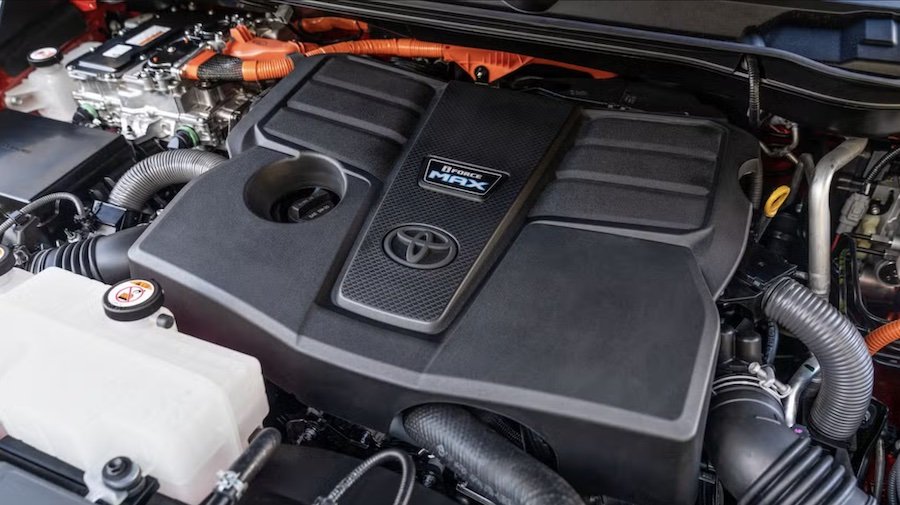
The automaker believes that it could triple revenue from selling engines and hybrid systems to other brands. Such a move could make it some more money, but also take away one of its biggest advantages.
It's all a bit ironic considering Toyota still uses Subaru engines, and for several years had a Supra with BMW power under the hood.
A New Revenue Stream For Japan's Largest Automaker
Toyota wants to sell its combustion engines and the hybrid motors and electronics that go with them, Automotive News reports. The result could be $1.7 billion a year in revenue by 2032, well up from the $560 million it expects to get in engine orders this fiscal year.
The plan to grow that part of the business doesn't involve the engines Toyota builds and sells today, strangely. According to the report, it will involve the company's next-generation engines. These are downsized yet more powerful engines that will support carbon-neutral fuels – if they become available and deliver cleaner emissions.
Where does Toyota plan to put them? Some of the possibilities are obvious choices. They could end up in vehicles from Subaru, Mazda, Suzuki, and Daihatsu. Toyota already has relationships and ownership stakes in those brands, so on one hand, it's a natural fit. On the other hand, Mazda is very serious about its own engines, as is Subaru, which could cause some conflicts.
Toyota already supplies hybrid systems to Mazda for the CX-50. It has sold hybrid systems to other automakers before, including Nissan. Toyota's Prius was the first successful hybrid, and the automaker has been a leader in efficient vehicle tech ever since.
What Makes Toyota's Next-Gen Engines So Appealing?
According to the report, Toyota's new engines will be shorter and narrower than those they'll replace. That will help them fit into smaller vehicles designed as EVs first, allowing for more flexibility with power options. The automaker also believes that they will fit more easily under the hoods of other car companies.
Expect a pair of 1.5-liter engines, one with a turbo and one without. The turbo is meant to replace 2.5-liter naturally aspirated engines and the non-turbo is meant to deliver fuel efficiency gains over current 1.5 engines.
Toyota's new 2.0-liter four is expected to deliver more power than the company's current 2.4T. At the same time, it should beat current 2.0Ts for fuel economy. Toyota said they are set to arrive as vehicles switch to Euro7 emissions standards beginning next year.
Related News


