Why Liberty Walk Keeps Cutting Up the World’s Most Expensive Cars
Key Points
- Liberty Walk transforms luxury supercars with aggressive, controversial wide-body kits from Japanese street culture.
- The company’s high-cost modifications polarize car enthusiasts and dramatically affect a car’s resale value.
- Despite limited resale appeal, Liberty Walk’s creations have become iconic and widely recognized among enthusiasts.
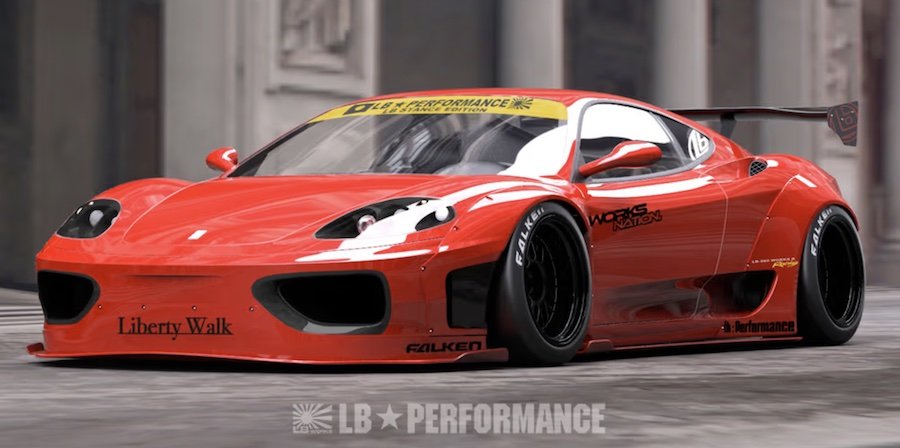
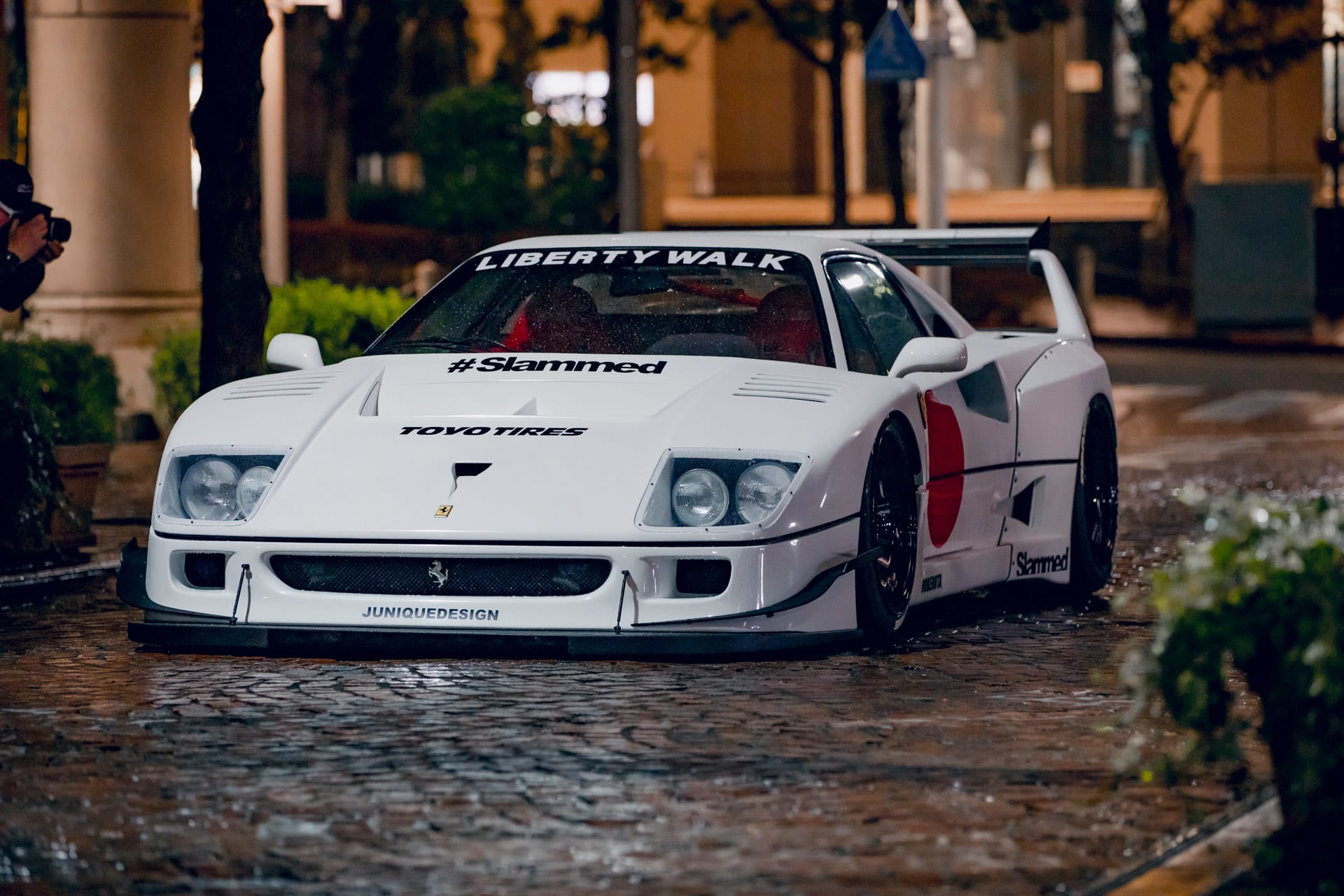
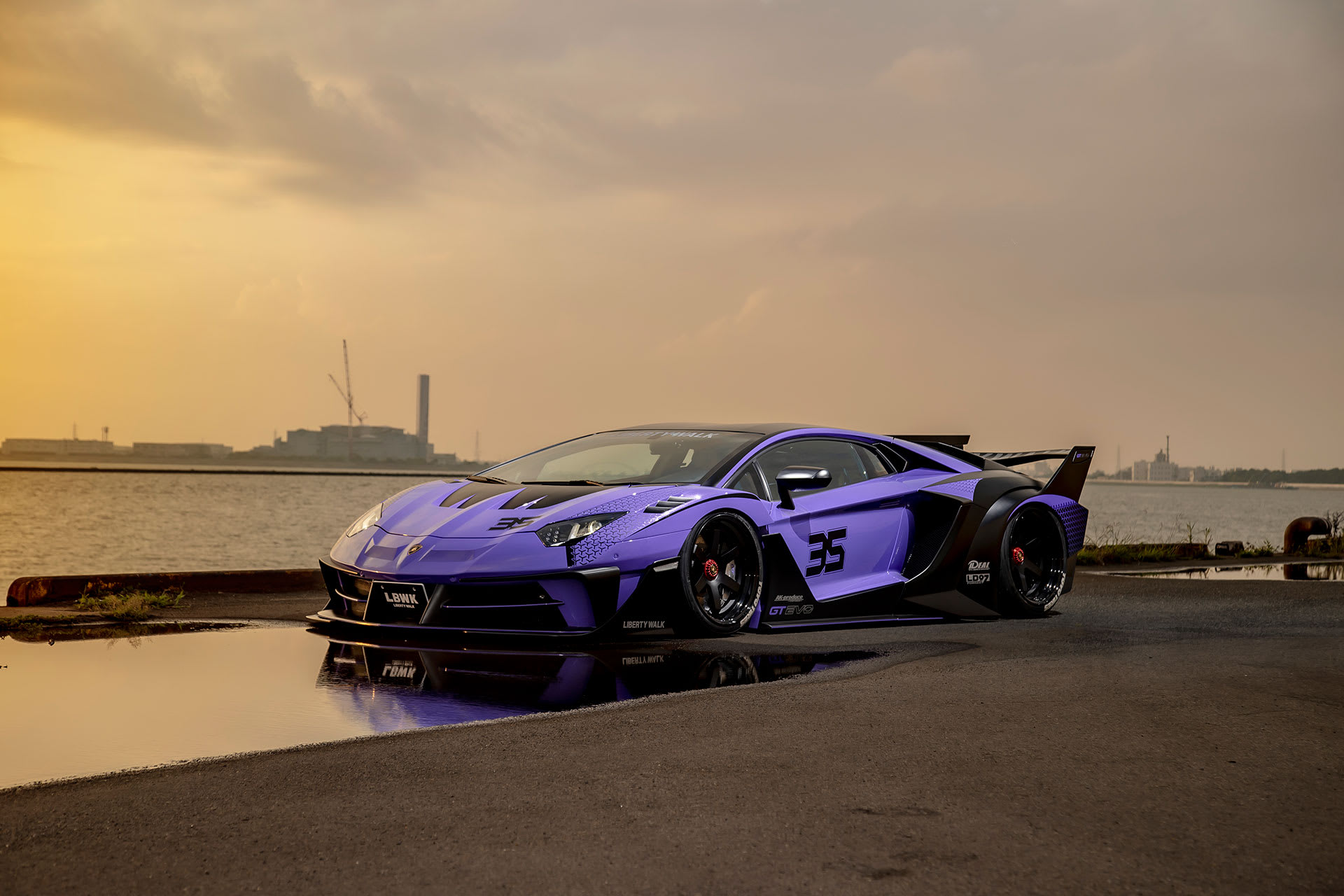
There is something counterintuitive, bordering on offensive, about cutting the fenders off a Ferrari and bolting on riveted overfenders. Yet that contradiction is exactly why Liberty Walk works. The Japanese tuner built its reputation on taking pristine supercars and applying the deliberately reckless aesthetic of kaido racer culture, the loud, exaggerated car styling that came out of Japan’s 1980s street scene. When Liberty Walk’s widebody Murciélago appeared at SEMA in 2009, it violated a sacred rule of car culture: you simply do not cut up a Lamborghini. The tension between prestige and aggression is exactly why, nearly two decades on, people are still lining up to get their exotics cut up by Liberty Walk.
The Man Who Started Cutting Supercars
Wataru Kato founded Liberty Walk in 1993, starting out in a small garage that could barely fit three cars. He spent years selling kits for kei cars before the idea crystallised: take the wide-overfender philosophy he had grown up admiring on the streets and apply it to Ferraris and Lamborghinis. The first Liberty Walk Murciélago caused immediate, polarising reactions. People either loved it or wanted to have Kato arrested. Liberty Walk has since applied the formula to the Nissan GT-R, Mazda Miata, and even the Honda Civic Type-R, but that split opinion has never gone away. They are not alone in this space. Rival Japanese tuners like Rauh-Welt Begriff (RWB) and Rocket Bunny have built devoted followings doing much the same thing to Porsches and sports cars, but Liberty Walk remains the most recognisable name in the game, in part because of the cars it targets and because of the spectacle they create.
Kato has said his guiding philosophy is smiles and positive energy, which is a pleasantly dissonant worldview for someone who makes a living destroying factory bodywork. The brand’s cultural reach has extended well beyond the cars themselves. Liberty Walk has collaborated with MiniGT, Tarmac Works, Inno64, and Hot Wheels to produce scale replicas of its most famous builds, meaning a widebody GT-R or Ferrari 458 now lives on the desks of enthusiasts who will never get near the real thing.
What It Actually Costs
None of this controversy would matter much if Liberty Walk builds were cheap. They aren’t. The most extreme kits replace nearly every exterior panel on the car. A full dry carbon Silhouette GT conversion for a Lamborghini Aventador can approach $200,000 before installation. Kits for Ferraris and McLarens can cost between $35,000 and $60,000, again before a single wrench has turned or a fender has been cut. Add paint, suspension, wheels, and labour, and a finished build can easily add $100,000 to the cost of the car itself.
Resale Is Its Own Problem
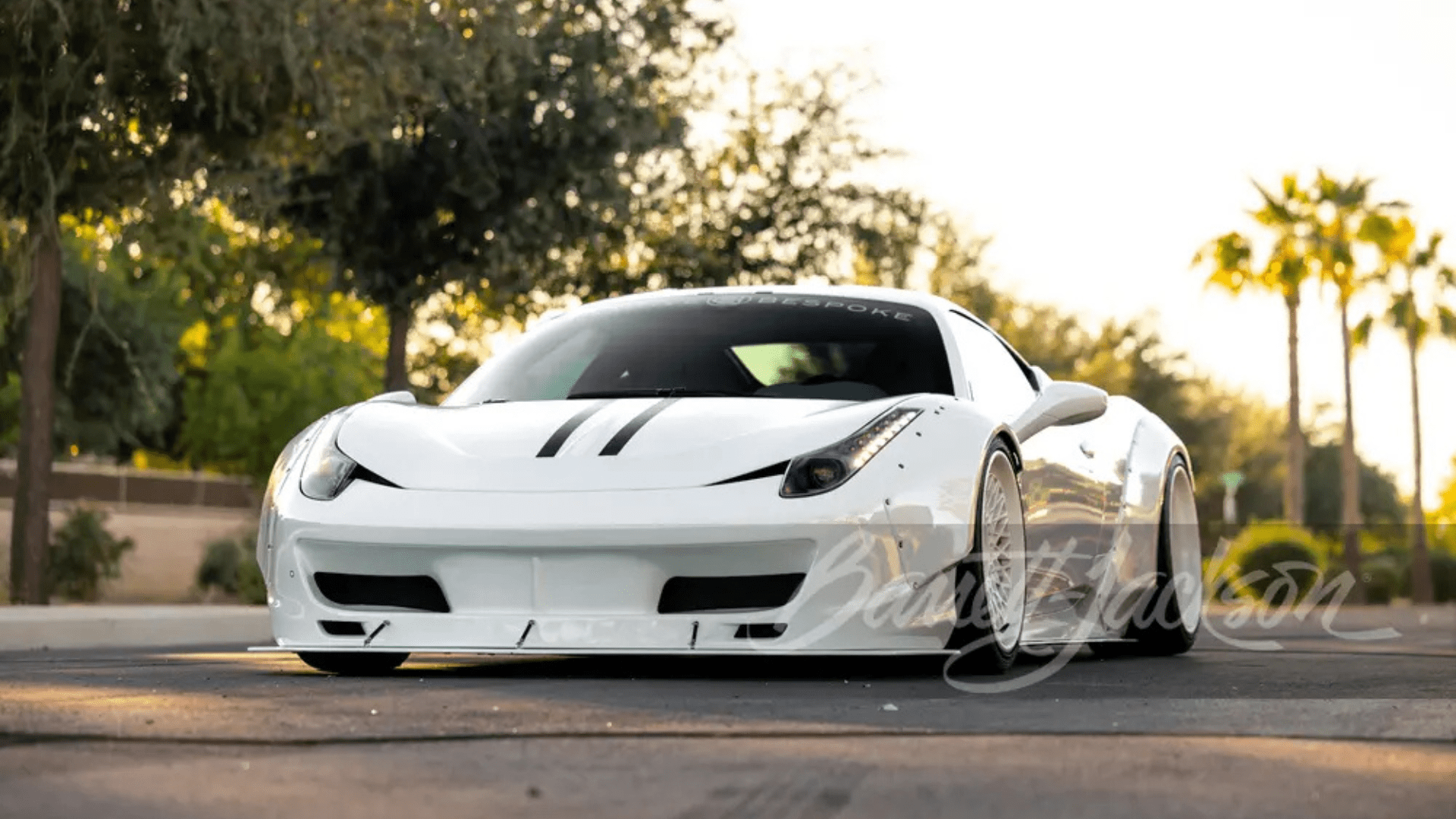
The value question has no better example than when YouTuber Emelia Hartford received an offer on her Liberty Walk Ferrari 458 Italia from a Ferrari dealership. She had paid $140,000 for the car, then poured in the Silhouette GT kit, KW coilovers, Forgeline wheels, custom exhaust, and labour across multiple build videos. A San Diego dealer came back with an offer of $350,000, citing a ready buyer. She turned it down. The comments split exactly as they always do around Liberty Walk. One commenter put it plainly: “Take the money and run. Cars like yours are very buyer-specific.”
That is the honest truth about trying to sell a Liberty Walk build. The buyer pool narrows dramatically, and the one person willing to pay full price for someone else’s vision may not ever materialise. Sure, Liberty Walk builds are unforgettable, but whether cutting a supercar up makes one better is still up for debate.

Related News


