BMW May Have The Solution For Uncomfortable Headrests
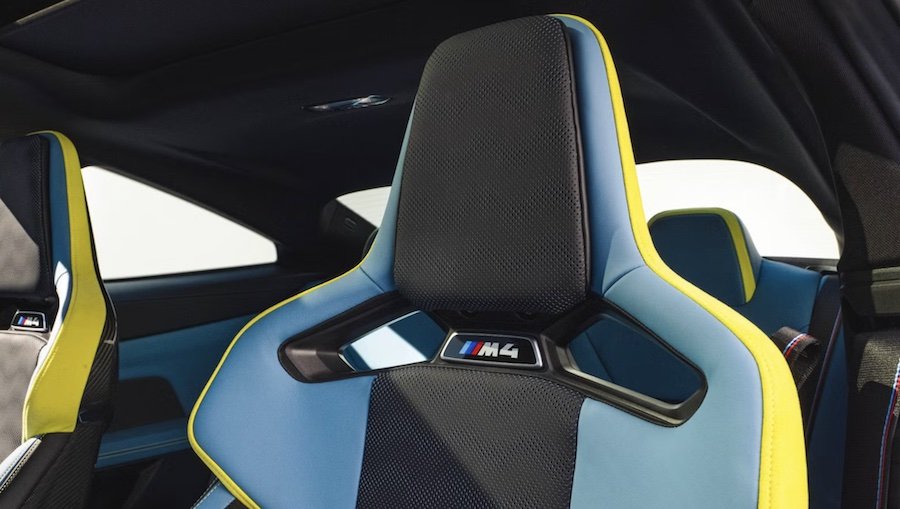
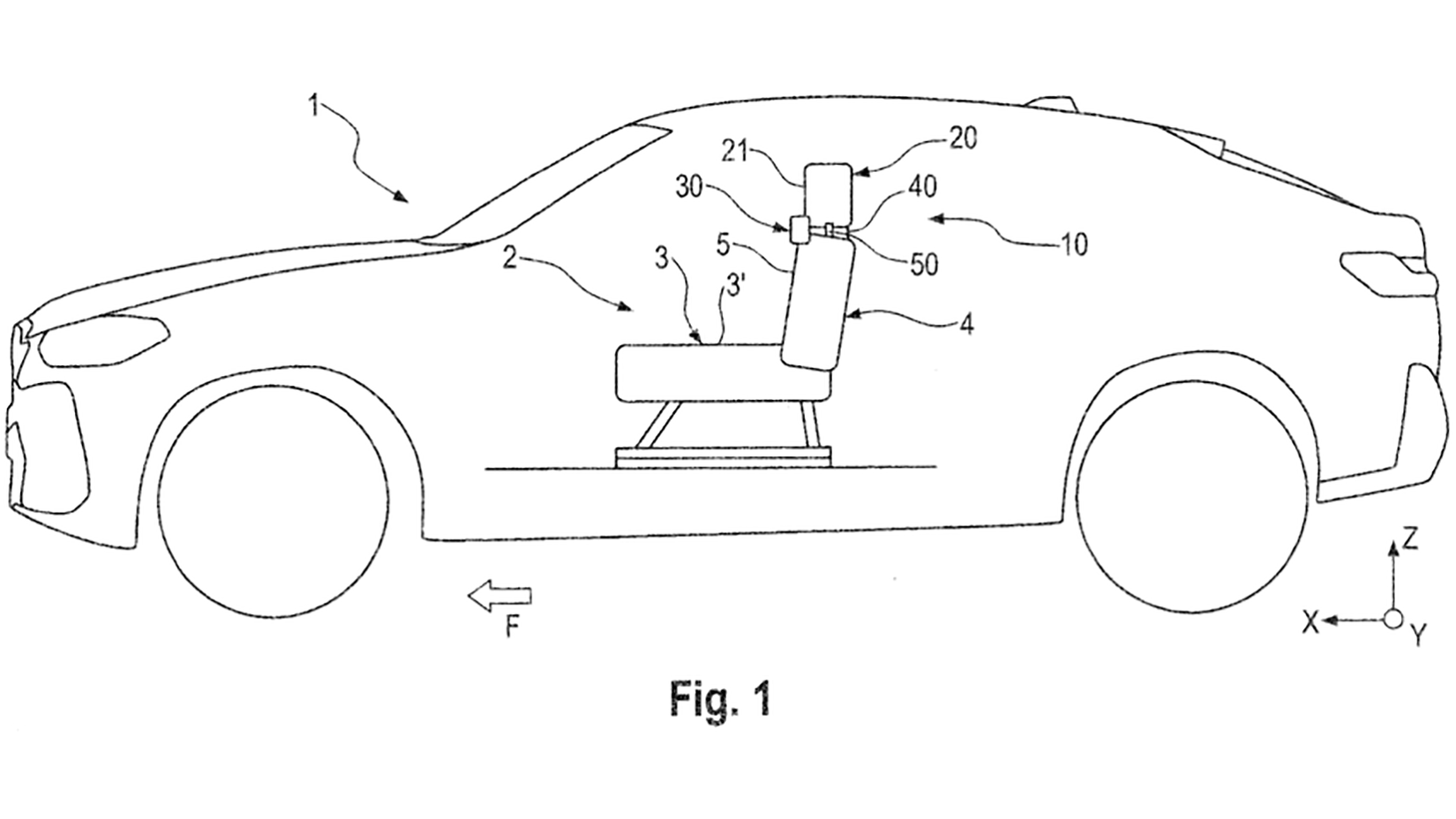
It's a patent for a new seat design, with a support located between the headrest and the seat back. Yup, it's a BMW with a neck rest, meant to help make sure drivers and front passengers are better supported by their Bavarian performance machine.
BMW And Wu-Tang Have One Thing In Common
A modern car seat is a wonder of engineering. They are designed to support drivers and passengers of all sizes and weights, but they also have to keep them comfortable for long distances. And in the case of most BMWs, they need to keep people in place during hard cornering.
They have countless adjustments, features like heating, ventilation, and inflatable bolsters that can hug you tighter in sporty drive modes. And they have to do all of that while being able to handle massive crash impacts and exploding airbags without failing. Folks, there's a lot of engineering that goes into these seats.
But BMW thinks they're still missing one thing from that long list of adjustments. A support to protect ya neck. The support goes in the logical place, between the headrest and the back rest. That big gap, unless you have one of BMW M's single-piece racing-look seats.
BMW's engineers also want the new support to help make you comfortable. The patented invention has loads of adjustments, able to slide up and down as well as extend inwards and outwards. It needs all of that adjustment, not just for different body sizes, but for those of us whose posture has been ruined for various reasons. Like sitting in front of screens all day.
But it's not just about comfort, it's also about safety. A modern headrest does an amazing job of catching your head in a rear-end collision. We won't make you watch any crash tests, but you can see it yourself through them.
If you do watch those videos, you'll probably see that the crash test dummy's back is supported and its head is supported, but for drivers of most heights, their neck isn't. This would fix that.
Not only would it fix that lack of support, BMW's invention would help reduce the impact. It could then, potentially, seriously cut the risk of whiplash.
Seat Science Is A ComplicatedProblem
The neck support is built with an overload protection device. If it's hit hard, like it would be when you're forced back into it in a rear-end collision, the overload device comes into play. It slows down how quickly your neck stops, reducing the forces on the muscles, nerves, and vertebrae.
That overload protection would be resettable, too. So if your car is bumped, the seat isn't going to be totaled. At least according to the patent.
BMW isn't the first or only automaker looking to increase seat safety in clever ways. Volvo was the first, introducing standard headrests in 1970 and its Whiplash Protection System neck-protecting seat in 1998.
Other automakers, including Honda, have used an active headrest in vehicles. The 2006-2011 Honda Civic had a headrest that would move forward to catch the occupant's head when their back pressed against the seat in a collision. It was subsequently replaced with a seat more like Volvo's.
Nouvelles connexes


